


UNESCO REPORT: JOURNALIST DEATHS IN CONFLICT ZONES REACH HIGHEST PROPORTION IN A DECADE
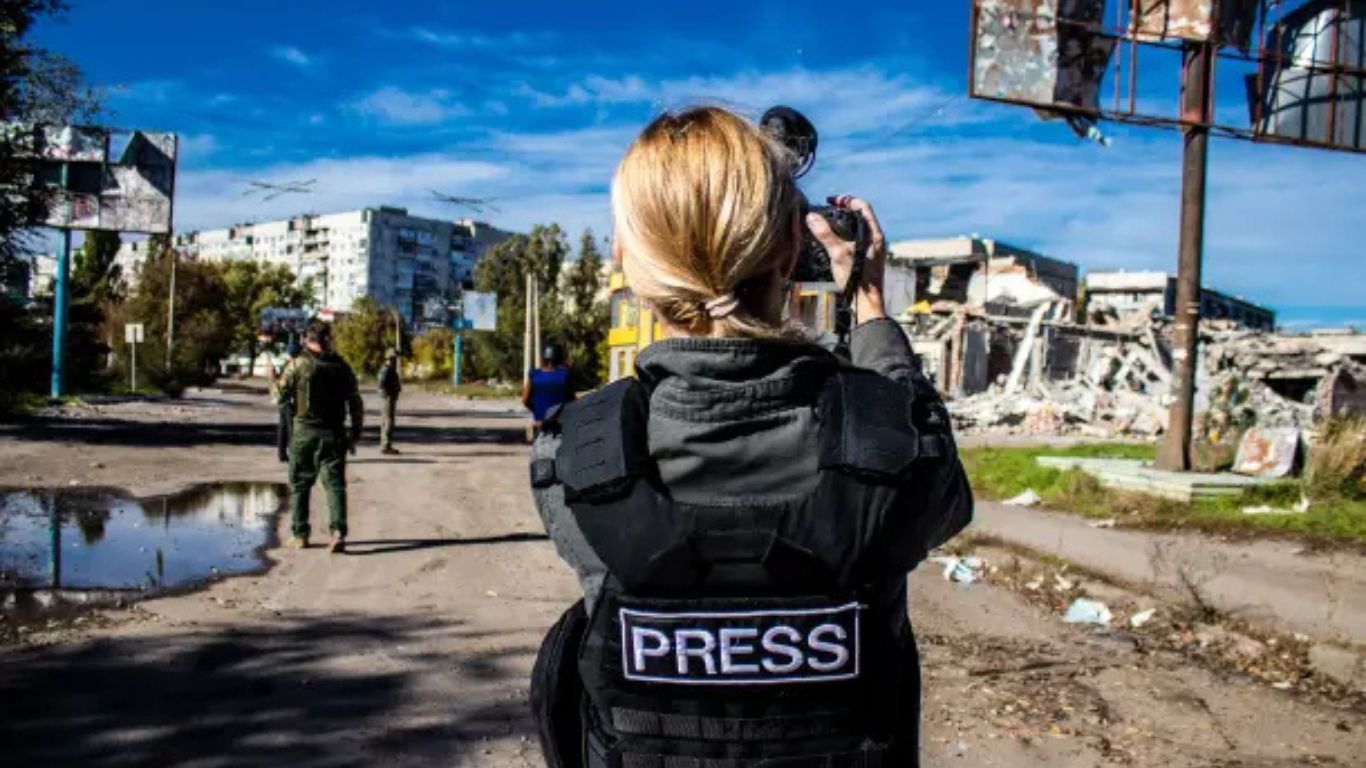
UNESCO's latest report paints a sobering picture of the risks faced by journalists in 2024, with at least 68 media professionals killed in the line of duty. Alarmingly, over 60% of these killings occurred in conflict zones—the highest proportion in more than ten years. This stark statistic highlights the growing dangers for journalists reporting from areas of unrest, where freedom of expression comes at a steep price.
Among the 42 journalists killed in conflict zones, Palestine accounted for 18 deaths, underscoring the intense risks of covering the ongoing tensions in the region. Ukraine and Colombia each reported four fatalities, while Iraq, Lebanon, Myanmar, and Sudan each recorded three. Other affected countries included Syria, Chad, Somalia, and the Democratic Republic of Congo, each with one journalist death. These figures extend a troubling trend from 2023, with more journalists killed in conflict over the past two years than in any similar period since 2016-2017.
However, the report also offers a glimmer of hope. The overall number of journalist killings has declined from 74 in 2023 and 88 in 2022 to 68 in 2024. This decrease is largely driven by a significant reduction in killings outside conflict zones, where only 26 deaths were recorded—marking the lowest figure in 16 years. This suggests progress in protecting journalists in peacetime environments, especially in regions like Latin America and the Caribbean. In these areas, journalist killings dropped from 43 in 2022 to 18 in 2023 and now 12 in 2024. This improvement reflects the success of targeted efforts to combat violence against journalists, although challenges remain.
UNESCO’s methodology, which excludes deaths unrelated to journalistic work, ensures its data is precise and impartial. However, the organization continues to verify numerous cases to maintain accuracy. This process aligns with its nearly two-decade-long mandate to monitor journalist safety, uphold freedom of expression, and advocate for justice in cases of violence against media professionals.
The report also delves into broader threats journalists face. Earlier this year, UNESCO warned about the rise of "new censorship" tactics, such as the misuse of financial laws to silence reporters. Moreover, a May 2024 report revealed a 42% surge in attacks on journalists covering environmental issues over the past decade, spotlighting another area where press freedom is under siege.
While the overall decline in journalist killings offers a positive note, the surge in deaths in conflict zones underscores the urgent need for stronger protections. UNESCO's efforts to train journalists, advocate for supportive legal frameworks, and raise awareness through events like the International Day to End Impunity for Crimes Against Journalists remain crucial. Yet, these efforts must be matched by international resolve to hold perpetrators accountable and ensure that journalists can operate safely, even in the world's most volatile regions.
This dual reality—a reduction in killings outside conflict zones paired with increasing deaths in war-torn areas—reveals a complex global landscape for press freedom. It emphasizes the need for sustained vigilance and action to protect those who risk their lives to uncover the truth.
"This represents a significant development in our ongoing coverage of current events."— Editorial Board