


RELIGION/BELIEF
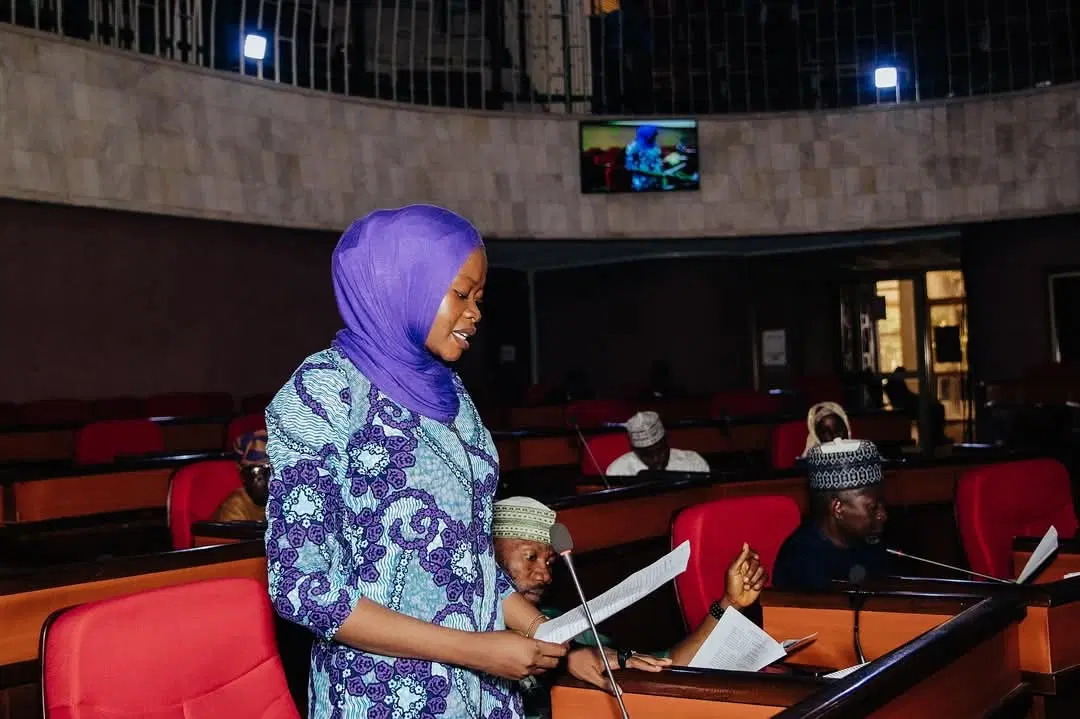
RUKAYAT SHITTU INTRODUCES BILLS ON UNEXPLAINED WEALTH AND RELIGIOUS REGULATION
By Demola Akinyemi, Ilorin
Nigeria’s youngest lawmaker, Hon. Rukayat Shittu, representing Owode Onire Constituency in the Kwara State House of Assembly, has sparked a political uproar by unveiling two significant bills aimed at curbing corruption and regulating religious practices in the state. The proposed Unexplained Wealth Bill, 2025, and the Religious Preaching and Religious Entrepreneurship Regulation Bill, 2025, have quickly become hot topics, with many praising the initiatives as bold and overdue, while others express concerns about potential controversies.
Hon. Shittu's legislative update, shared on her social media, rapidly gained traction, drawing attention from citizens, civil society organizations, and political commentators.
The Unexplained Wealth Bill, 2025, as outlined in documents obtained by Vanguard Correspondent from the lawmaker, aims to empower authorities to investigate and prosecute individuals who accumulate wealth that appears disproportionate to their known legitimate income. This bill is viewed as a proactive measure to combat illicit enrichment and deter corruption in both the public and private sectors.
“This bill is about equity and accountability,” Hon. Shittu emphasized, stating, “We cannot permit corruption to go unchecked. Those who cannot justify their wealth must be held responsible.”
Similarly ambitious is the Religious Preaching and Religious Entrepreneurship Regulation Bill, 2025, which seeks to oversee religious activities and financial dealings within faith-based organizations. The aim is to prevent exploitation and manipulation under the pretext of religion.
“Religion is sacred, but it must not be used as a cover for unethical behavior,” Hon. Shittu asserted. “This bill will safeguard individuals from exploitation while upholding the freedom to practice their faith.”
The proposed bills have elicited mixed responses, with supporters applauding Hon. Shittu's courage in addressing long-standing issues, while critics caution that such regulations may encounter resistance from influential groups.
"This represents a significant development in our ongoing coverage of current events."— Editorial Board